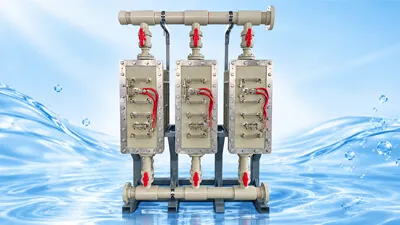
BDD Electrode Manufacturer for Industrial Electrochemical Oxidation
Boromond manufactures boron-doped diamond (BDD) electrodes, custom BDD anodes, electrode plates, foam electrodes, and electrochemical oxidation modules for complex industrial wastewater treatment.
We combine CVD diamond-film manufacturing, electrode-material optimization, bench-scale treatability testing, pilot modules, and application engineering so buyers can move from sample evaluation to reactor integration with fewer technical risks.
20+
Years focused on synthetic functional diamond substrates
45+
R&D, CVD, electrochemistry and wastewater specialists
25+
Years of catalyst electrode-material development experience
CVD
In-house diamond-film growth and post-treatment optimization
BDD Electrode Products Collection
Our boron-doped diamond (BDD) electrode collection is designed for demanding electrochemical oxidation, advanced wastewater treatment, and analytical applications requiring wide potential windows, low background current, and exceptional chemical stability. The electrodes combine a robust diamond film with controlled boron doping to deliver high anodic oxygen evolution overpotential, strong resistance to fouling, and reliable performance in harsh acidic, alkaline, and high-salinity media. Available in multiple substrate configurations and geometries, this collection supports scalable testing from laboratory screening to pilot-scale electrochemical systems.
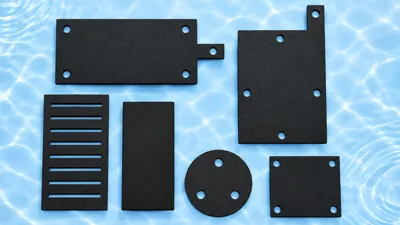
BDD Electrode Plates
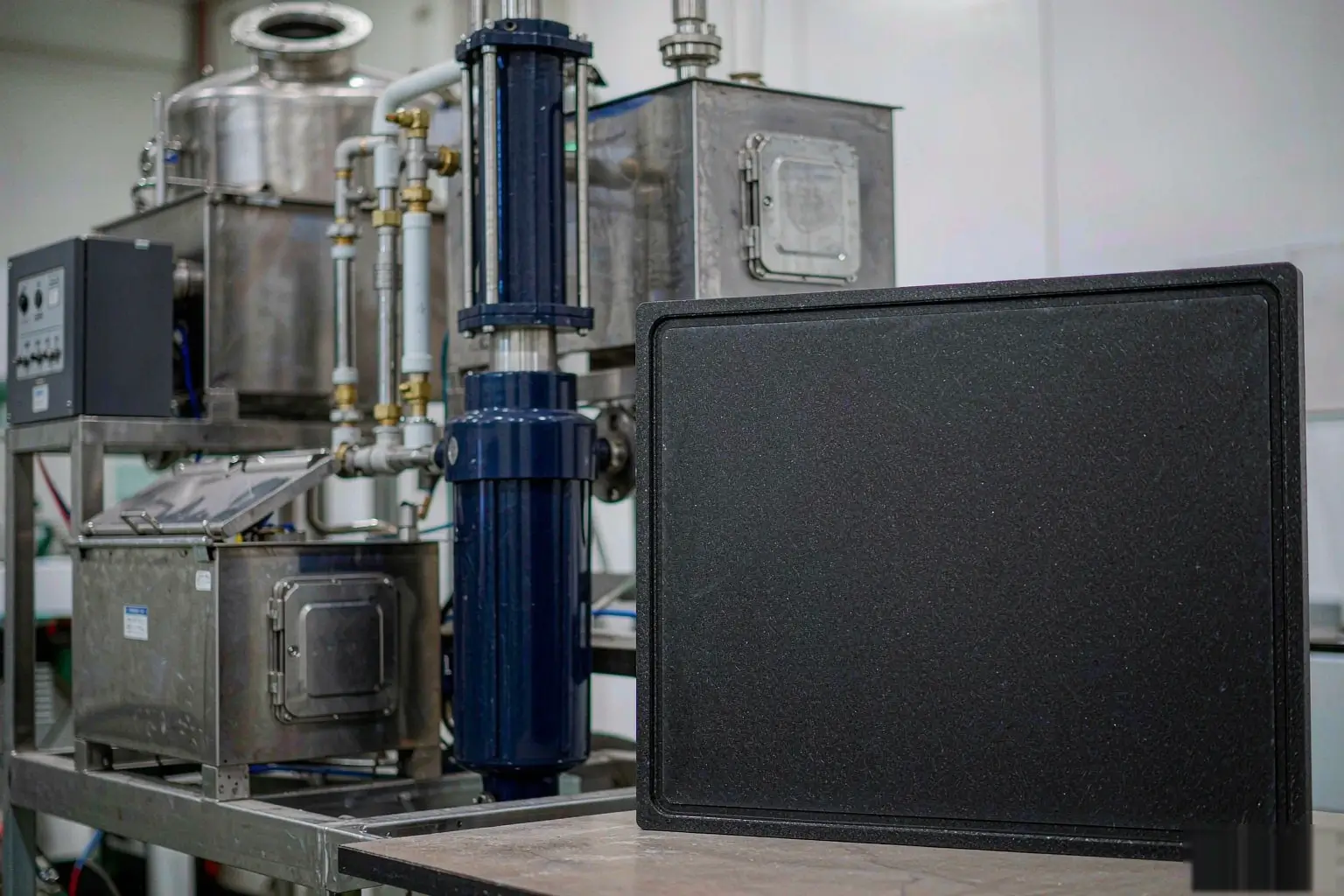
Boron-doped diamond electrode plate for electrochemical oxidation, electrolysis, and wastewater reactor integration.
Foam BDD Electrode
High-surface-area BDD electrode format for improved mass transfer, higher active area, and compact electrochemical oxidation systems.
Custom BDD Electrodes
Tailor substrate, size, geometry, current density, connector style, and surface treatment around your electrolyte and treatment objective.
BDD Powder & Mircons
Conductive boron-doped diamond materials for research, composite integration, and advanced functional diamond applications.
Lab Kits, Trial Modules & Electrochemical Reactor Components
Our Lab Kits, Trial Modules & Electrochemical Reactor Components collection is developed for practical evaluation, process screening, and reactor assembly in electrochemical catalysis, wastewater treatment, and electrode material testing. There are ready-to-use test kits, modular reactor units, flow-cell components, electrode holders, gaskets, spacers, current collectors, and connection hardware designed to support reproducible operation from benchtop trials to pilot-scale validation. Each component is selected with attention to chemical compatibility, electrical contact stability, sealing reliability, and ease of integration with catalytic anodes, cathodes, compact electrochemical oxidation systems.
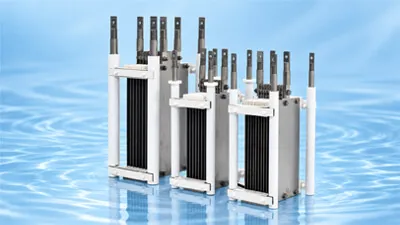
BDD Electrode Stack
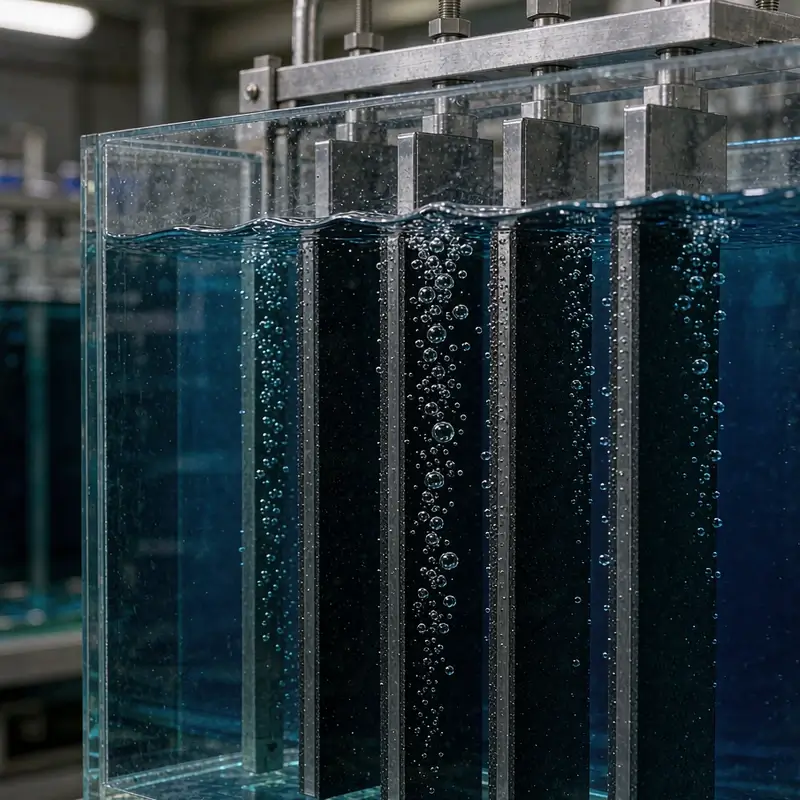
BDD anode and titanium cathode stack for electrochemical reactor integration, pilot testing, and scale-up design.
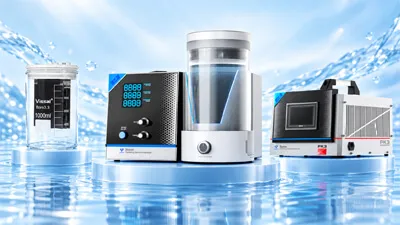
Beaker Trial Module
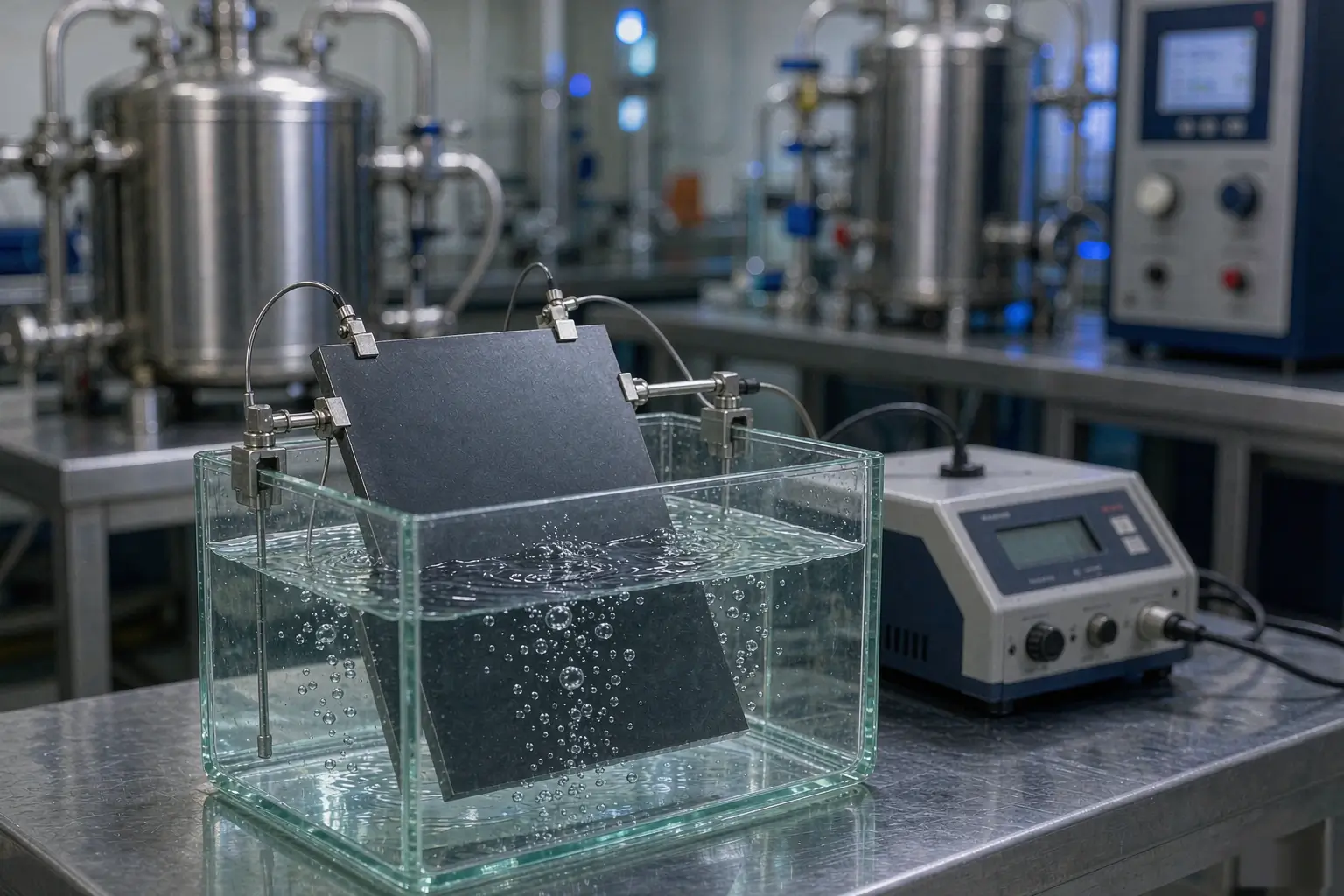
Laboratory electrochemical oxidation module for treatability testing, operating-window screening, and sample evaluation.
Portable EO Testing Kit
Portable on-site testing kit to evaluate electro-oxidation performance with customer wastewater before larger engineering commitment.
Why Boromond Outperform Those Catalog-Only BDD Suppliers As A Manufacturer
Boromond is a professional manufacturer of boron doped diamond (BDD) electrode materials, with a research and development, and engineering team over 45 experts including research scientists, electrode material technologists, materials scientists, CVD engineers, electrochemists, environmental engineers, surface chemists, wastewater system integrators, our team members have been committed to the research and development of catalyst electrode materials, and this innovative diamond electrode materials for more than 25 years.
BDD electrode performance is affected by substrate selection, boron doping level, surface termination, grain morphology, sp³/sp² balance, coating adhesion, and post-growth treatment. Boromond engineers high performance boron-doped diamond (BDD) films on robust silicon and niobium substrate, purpose-built for the destructive oxidation of refractory organic pollutants in complex industrial wastewater matrices. Utilizing proprietary chemical vapor deposition (CVD) infrastructure, we support projects from initial bench-scale feasibility assessment through to large-scale pilot and commercial reactor integration.
What Is BDD Electrode?
A Boron-Doped Diamond (BDD) electrode represents an advanced anodic material fabricated by growing a thin, boron-intercalated crystalline synthetic diamond layer onto a conductive base substrate, predominantly high-purity silicon or ductile niobium—via precise chemical vapor deposition (CVD) processes.
Introducing boron into the diamond lattice alters the material from a natural electrical insulator into a highly stable p-type semiconductor. This yields an operational resistivity of approximately 0.01 to 100 ohm-cm, enabling sustained anodic polarization at extreme industrial current densities.
The resulting electrode retains diamond’s extreme mechanical hardness, thermal conductivity, and chemical inertness while exhibiting superior electrocatalytic activity. BDD electrodes are fabricated via chemical vapor deposition processes (CVD), with precise pre- & post-synthesis treatment to boost properties of these electrodes for better implements.
Industrial Wastewater Applications
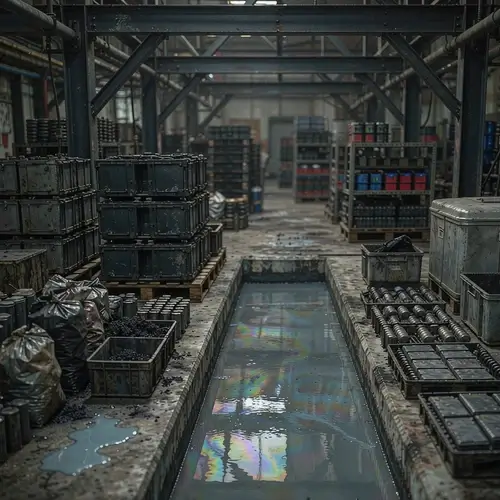
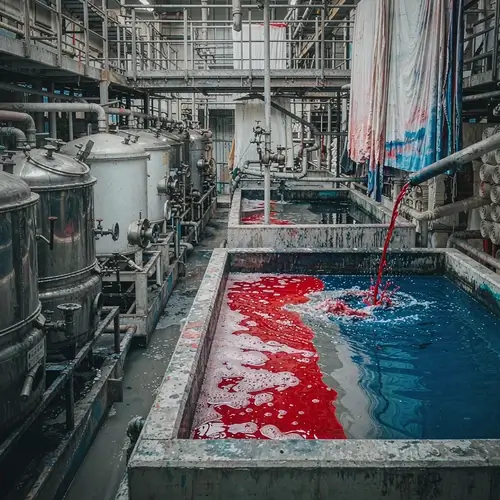
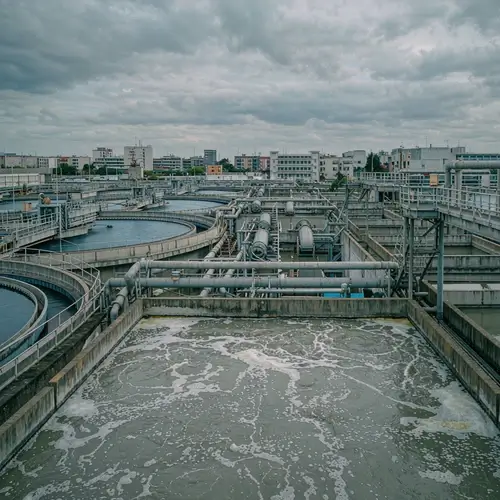
Industrial wastewater applications using BDD electrodes, trial modules, and pilot modules focus on the direct evaluation of high-strength, refractory, saline, or difficult-to-treat effluent streams under real operating conditions. The BDD anode provides a wide anodic potential window, strong oxidative capability, and excellent resistance to fouling and corrosion, making it suitable for COD reduction, color removal, odor control, disinfection, and degradation of persistent organic contaminants. Trial modules allow rapid screening of current density, flow rate, electrode spacing, electrolyte composition, treatment time, while pilot modules support scale-up verification, energy consumption assessment, maintenance planning, integration with existing systems.
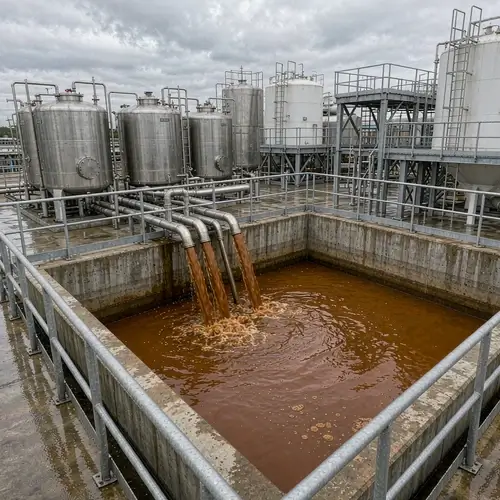
Pharmaceutical Wastewater
APIs, antibiotics, solvents, high-COD streams and persistent intermediates.
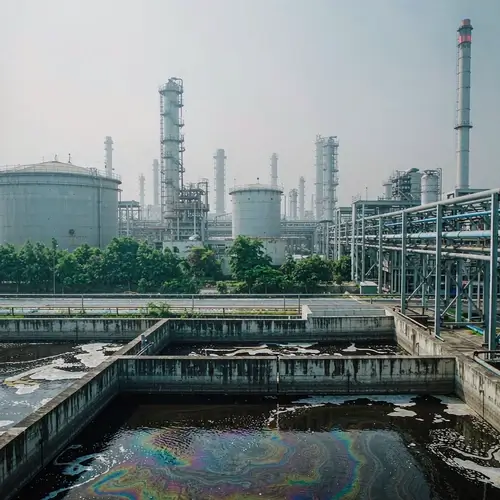
Petrochemical Wastewater
Refractory organics, produced water, aromatics and process effluents.
PFAS & Persistent Pollutants
BDD electro-oxidation pathways for difficult-to-mineralize compounds.
Lithium Battery Wastewater
Electrochemical oxidation for complex wastewater from battery manufacturing and recycling.
- Data And Information From Previous Projects
Case Studies
Join Boromond to explore how electro oxidation technology become an innovative approach to remove recaltriant organic pollutants from those complex wastewater, and what is more, datas and information we collected based on feasibility and treatability of electro oxidation toward various organic industrial wastewater, bench and pilot projects, how we make it happen.
Engineering Design
Electro-oxidation engineering service support includes wastewater profile evaluation, electrode material selection, current-density optimization, treatability testing, etc.
EO Services
Services include BDD electrode fabrication, custom anode development, electrochemical cell design, testing protocols, prototype validation, and process support for industrial wastewater projects.
Selecting Electrode?
Share your wastewater, target pollutants, COD/TOC range, conductivity, pH, flow rate, and treatment objective. We can help match the electrode format and testing approach to your project.
Custom BDD Electrode & EO Module Workflow
This section targets “custom BDD electrode,” “how to choose BDD electrode,” and project-intent searches while helping buyers understand the next step.
Define COD, TOC, PFAS, conductivity, pH, target removal and flow.
Choose plate, foam, stack, module, substrate and active area.
Screen current density, residence time, energy use and byproducts.
Translate lab data into pilot or industrial EO module configuration.
BDD Electrode Knowledge Hub
Explore our comprehensive encompassing manufacturing science, lifetime testing, substrate performance, BDD vs MMO/RuO₂/PbO₂, and application-specific process design, electrochemical oxidation wastewater treatment and beyond.
Unmatched Engineering Excellence
- SEM / Raman / coating thickness data
- Potential window and background current curves
- Accelerated service-life testing
- Before-and-after wastewater treatment results
- Downloadable datasheets and compliance reports
Check our resource hub and knowledge bases to get a better comprehension about BDD electrode based electrochemical oxidation wastewater treatment processes,
More BDD Electrode Guides, Comparisons, and Application Notes
Frequently Asked Questions
What is the best BDD electrode for wastewater treatment?
The best format depends on pollutant type, conductivity, pH, current density, flow design, and required removal target. Plates and stacks are common for reactor integration, while high-surface-area formats can improve mass transfer in compact systems.
Can Boromond customize BDD electrode size and substrate?
Yes. Boromond can adapt electrode geometry, substrate, active area, connector design, and surface treatment according to application requirements and electrochemical operating conditions.
Why does BDD outperform many conventional anodes?
BDD electrodes combine a wide potential window, low background current, chemical stability, fouling resistance, and strong non-selective oxidation capability in many wastewater matrices.
Should I test my wastewater before buying a full system?
Yes. Treatability testing is recommended to determine energy demand, current density, residence time, removal pathway, and whether BDD electro-oxidation is technically and economically appropriate.
Start a BDD Electrode Project
Boromond is not only a BDD electrode supplier. We support technical buyers, engineers, and researchers with electrode selection, treatability testing, and electrochemical oxidation scale-up for difficult wastewater streams.